What Is an AI Influencer? Definition, Examples, and How They Work
A plain-language explanation of AI influencers: what they are, real examples like Lil Miquela and Aitana Lopez, how LoRA training keeps them consistent, and how they make money.
What Is an AI Influencer? Definition, Examples, and How They Work
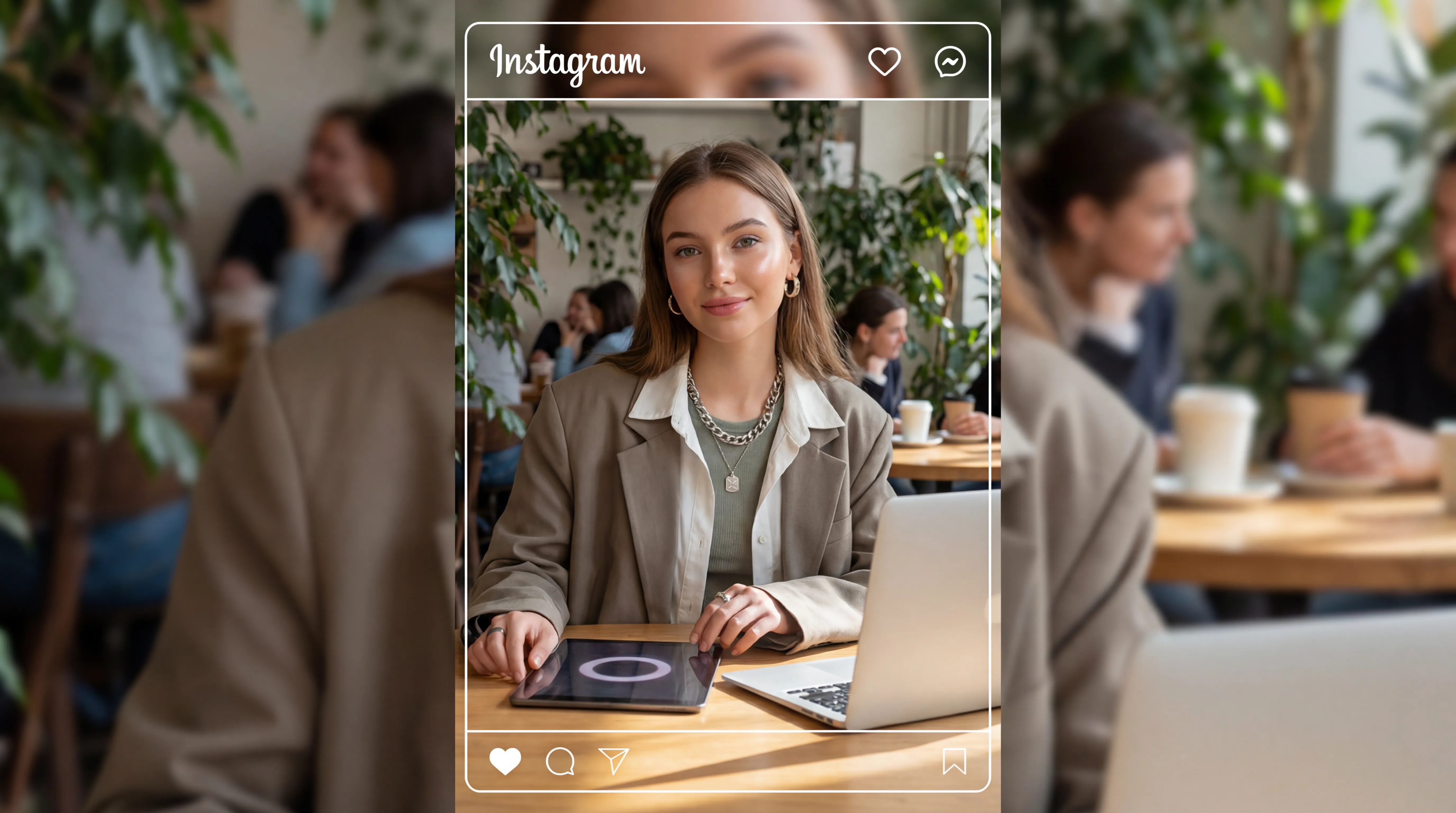
An AI influencer is a computer-generated persona that posts on social media like a human creator. It has a consistent face, name, personality, and content style, but the images and videos are produced with AI tools rather than a camera. A human team designs the character, generates its content, and runs its accounts behind the scenes.
That is the whole concept in one paragraph. The rest of this post covers the real examples you may have already seen, how these characters are actually made, and how they earn money.
Real Examples of AI Influencers
The clearest way to understand AI influencers is to look at the ones that broke through.
Lil Miquela is the original. Launched in 2016 by the Los Angeles startup Brud, the freckled virtual character built millions of Instagram followers and landed campaigns with brands including Calvin Klein, Prada, and Samsung. In 2018, Time magazine included her on its list of the most influential people on the internet, which says a lot about how seriously the format came to be taken.
Aitana Lopez represents the modern, accessible generation. Created in 2023 by The Clueless, a Barcelona agency, the pink-haired fitness persona was built with AI image generation rather than 3D modeling. Her creators have said in press interviews that she can earn around 10,000 euros in a strong month through brand work and subscription content. The notable part is the team size: a small agency, not a funded studio.
The difference between those two examples is the story of the whole category. Lil Miquela required a startup and 3D artists. Aitana-style influencers are made with generative AI tools that an individual creator can operate.
How AI Influencers Are Made
Modern AI influencers are built on one technical foundation: character consistency through LoRA training. A LoRA is a small custom model trained on reference images of a character. Once trained, it reproduces that exact face in any pose, outfit, or scene, which is what makes a recognizable persona possible across hundreds of posts.
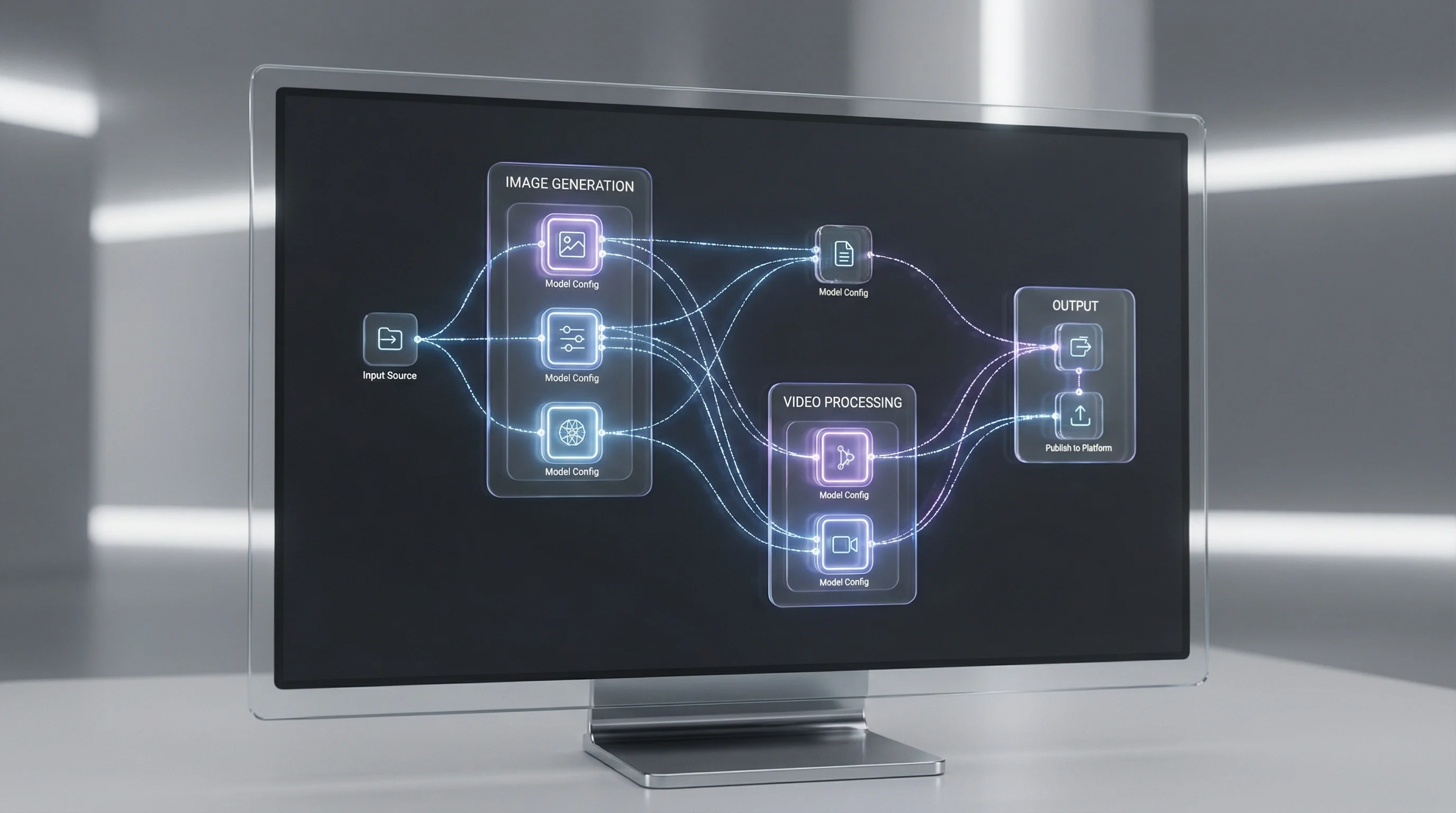
The typical pipeline looks like this:
- Persona design. Name, age, look, niche, personality, backstory.
- Reference images. Generate candidate faces with an AI image model, then curate a consistent set.
- LoRA training. Train a character model on those references. On Fizzly this happens at /characters/create and takes minutes, not days.
- Content production. Generate photo sets with the trained character, then animate key images into short videos with image-to-video models like Kling and Wan at /video.
- Publishing. Run the social accounts the way any creator would: consistent posting, captions in the character's voice, engagement with followers.
If you want the full walkthrough, we wrote a step-by-step guide to creating an AI influencer, and our create an AI influencer page covers the tooling.
How AI Influencers Make Money
AI influencers monetize through mostly the same channels as human creators:
- Brand partnerships. Sponsored posts and campaign work. Disclosure rules apply to virtual influencers just as they do to humans, and most major platforms now also require realistic AI content to be labeled.
- Subscription platforms. Some platforms explicitly welcome AI creators; Fanvue is the best-known example. Others restrict synthetic personas. If subscription content is part of the plan, platform policy is the first thing to check, and we broke down the most-asked case in our OnlyFans AI content policy explainer.
- Affiliate and product placement. Links and codes in captions, the standard creator playbook.
- Licensing. Established characters get licensed for campaigns, virtual events, and appearances in other media.
None of it is passive at the start. An AI influencer removes the camera from content production, but audience building still takes consistent posting and a personality people want to follow.
Are AI Influencers Disclosed as AI?
Increasingly, yes, and the successful ones lean into it. Lil Miquela's virtual nature has been public since 2018 and is part of the appeal. Aitana Lopez is openly presented as an AI model. Major platforms including Instagram and TikTok now require labels on realistic AI-generated media, so transparency is both the norm and, in many cases, the rule.
Want to Build One Yourself?
Design a persona, train its character model, and generate consistent content from day one.
Related Reading: