How to Create an AI Influencer: Step-by-Step (2026)
A concrete walkthrough for creating an AI influencer: design the persona, train a LoRA character model, build photo sets, generate video with Kling and Wan, and set a realistic posting and monetization plan.
How to Create an AI Influencer: Step-by-Step (2026)
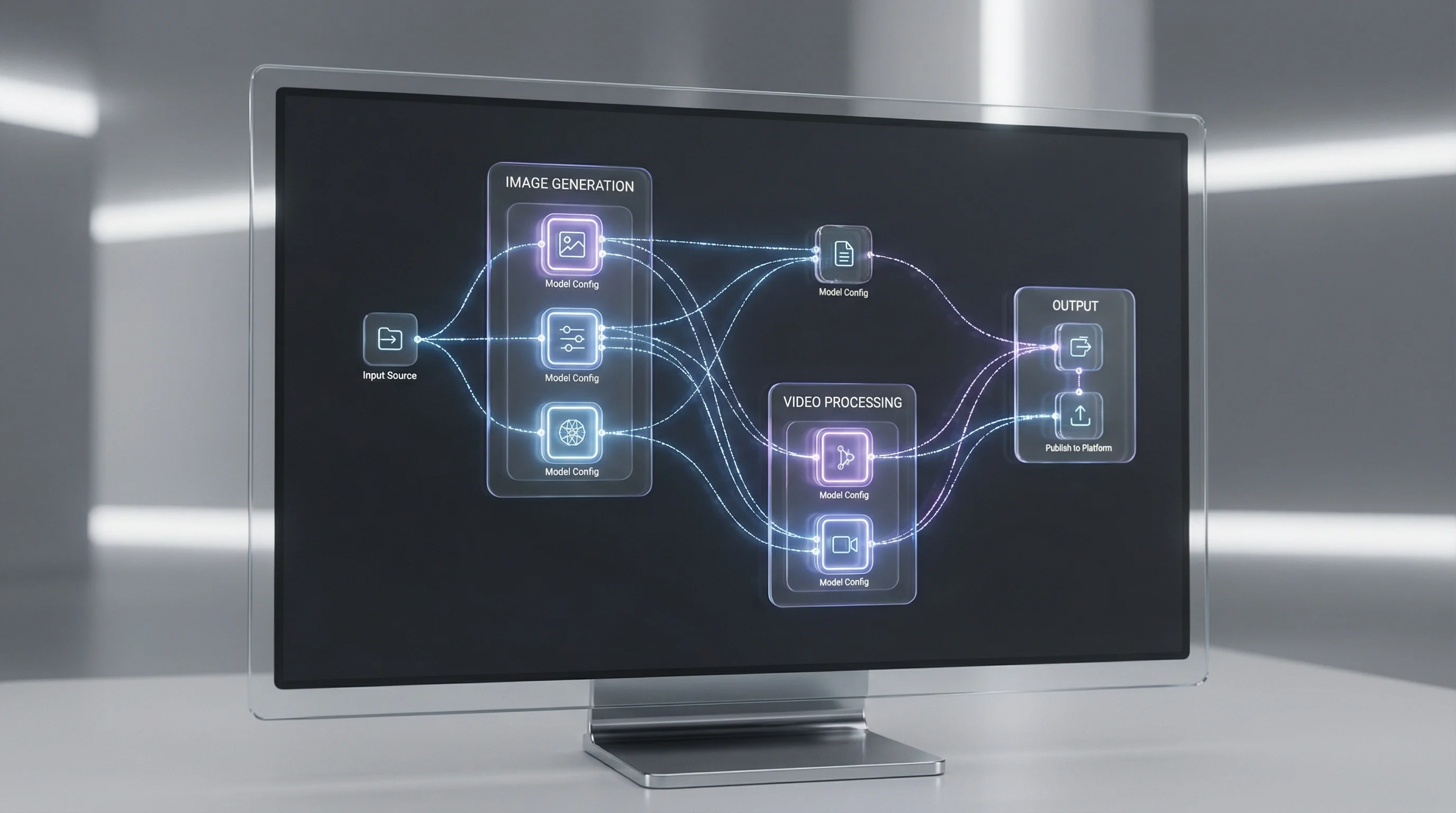
To create an AI influencer, you design a persona, generate a consistent set of reference images, train a LoRA character model on them, then produce photo sets and short videos with that trained character. The technical work takes a weekend. Building an audience takes months of consistent posting, like any other creator account.
This guide walks through the exact process using Fizzly, with honest notes on effort and cost at each step. If you want the conceptual background first, start with what an AI influencer is, then come back.
Step 1: Design the Persona (a few hours)
Before generating a single image, write a one-page character document. Every successful AI influencer is a character first and a set of images second. Decide:
- Identity: name, age, nationality, look (face shape, hair, skin tone, build, distinguishing features)
- Niche: fitness, fashion, travel, gaming, lifestyle. Pick one lane; vague personas grow slowly
- Personality and voice: how captions sound, what she or he cares about, running jokes, opinions
- Platform plan: Instagram and TikTok for reach; AI-friendly subscription platforms like Fanvue if paid content is part of the model
Write the physical description as an actual prompt paragraph. You will reuse it constantly in Step 2, and precision here is what makes consistency possible later.
Effort: an afternoon. Cost: zero.
Step 2: Generate the Reference Set (1 to 2 hours)
Open /generate and create candidate images of your character using your prompt paragraph. Strong models for photorealistic people include Flux, Nano Banana Pro, and Seedream 4.5.
Your goal is 15 to 30 images of the same face:
- Mix of close-up portraits, half-body, and full-body shots
- Varied angles and expressions, consistent identity
- Clean lighting, no heavy filters, no other people in frame
Be ruthless in curation. Discard anything where the face drifts. Ten excellent, consistent references beat thirty loose ones, because the next step learns whatever you feed it.
Effort: an hour or two of generating and curating. Cost: expect to generate several images for every keeper, so budget credits for rejects. See /pricing for how credits work.
Step 3: Train the LoRA at /characters/create (minutes of work)
Go to /characters/create, upload your curated reference set, and start training. This produces a custom LoRA model of your character: from now on, you can generate that exact face in any outfit, pose, or scene just by using your character in a prompt.
Training itself runs in minutes on Fizzly, not hours. When it finishes, run a test batch: same character in five different settings. If the face holds across all five, you are done. If it drifts, tighten the reference set (remove the outliers) and retrain. Plan for one or two training rounds as a beginner; our LoRA training guide covers the details.
Effort: minutes of active work, plus a test batch. Cost: a one-time training spend in credits, then normal generation costs afterward.
Step 4: Build Photo Sets (ongoing)
Now produce actual content with the trained character:
- Themed sets: gym sessions, coffee shops, travel, outfit posts. Photo packs generate cohesive multi-image sets in one pass, which is the fastest way to fill a content calendar
- Influencer-style shoots: AI Influencer Photos is built for exactly this kind of content
- Polish: upscale hero images, relight awkward shots, use expand image for different aspect ratios per platform
A practical target before launch: 30 finished images, enough for a month of posting without scrambling.
Effort: a few sessions. Cost: per-image credits; batching with photo packs is more efficient than one-off prompts.
Step 5: Add Video with Kling and Wan (the growth lever)
Static accounts plateau. Short video is what platforms push in 2026, and image-to-video makes it straightforward: take your best character images and animate them at /video.
- Kling 3.0 and Kling 2.6 Pro for realistic motion and expressive faces
- Wan 2.2 through 2.6 for fast, cost-effective clips
- Seedance 1.5 Pro for dynamic multi-shot sequences
Start with simple motions: hair and clothing movement, a smile, a slow camera push. Five to ten seconds is plenty for Reels and TikTok. Video costs more credits per output than images, so treat clips as your weekly highlights rather than your daily volume.
Effort: minutes per clip, plus iteration. Cost: the highest per-output spend in the pipeline; budget accordingly.
Step 6: Posting Cadence and Monetization (months, honestly)
The unglamorous part that decides whether any of this earns money:
- Cadence: 3 to 5 image posts per week plus 1 to 3 short videos is sustainable with the pipeline above. Consistency beats volume
- Voice: write captions in the persona's voice, reply to comments, follow accounts in your niche. Dead-comment accounts do not grow
- Disclosure: label AI content where platforms require it (Instagram and TikTok do for realistic AI media). The biggest AI influencers are openly virtual, and it has not hurt them
- Monetization, in realistic order: affiliate links early, brand work once you have engagement worth selling, subscriptions on AI-friendly platforms like Fanvue if your niche supports paid content. If subscription platforms are in your plan, read the OnlyFans AI content policy explainer first, because the rules differ sharply by platform
Honest framing: the agency behind Aitana Lopez has described strong months around 10,000 euros, but that is a standout case with professional operators behind it. A realistic expectation is several months of consistent posting before meaningful revenue, with modest affiliate and small brand deals as the first money in.
The Whole Pipeline at a Glance
| Step | Active effort | Credit cost |
|---|---|---|
| 1. Persona design | An afternoon | None |
| 2. Reference set | 1 to 2 hours | Low, with rejects |
| 3. LoRA training at /characters/create | Minutes | One-time |
| 4. Photo sets | A few sessions | Per image |
| 5. Video | Minutes per clip | Highest per output |
| 6. Posting and growth | Ongoing, months | None |
Start With the Character
Everything downstream depends on a consistent face. Train yours first.
Related Reading: